
Shop
Our Products
Deals
Don’t Miss Out
What’s In Your Bridgeport Water?
Get a FREE Water Test!
- No mailing — fast results!
- Test any tap in your home
- NEW flexible sample pickup options

Frequently Asked Questions for Water in Bridgeport, Texas
Is Bridgeport tap water safe to drink?
Yes, Bridgeport’s tap water is safe to drink. However, their most recent Consumer Confidence Report noted two Lead Service Line Inventory administrative violations related to inventory and reporting deadlines. These were reporting requirements and did not indicate the drinking water was unsafe.
Is Bridgeport water hard?
The City of Bridgeport’s water quality report does not list a hardness value. Even so, many North Texas homeowners experience hard water, which can lead to scale buildup on fixtures, cloudy dishes, soap residue, and reduced appliance efficiency. A professional water test is the best way to determine your home’s hardness.
Does Bridgeport use chloramines?
The report lists a total disinfectant residual averaging 3.11 ppm, but it does not specify whether the disinfectant is free chlorine or chloramine. Disinfectants are used to help control bacteria throughout the water distribution system, though they can sometimes contribute to taste or odor concerns.
Does Bridgeport water contain PFAS?
Yes. As part of the EPA’s UCMR5 monitoring program, Bridgeport detected PFBA (perfluorobutanoic acid) at an average concentration of 0.0073 µg/L. This is an unregulated PFAS compound and was reported for monitoring purposes. Many homeowners choose reverse osmosis or advanced filtration systems to reduce PFAS and other emerging contaminants.
Does Bridgeport add fluoride to the water?
Yes. Fluoride was detected at 0.20 ppm which is below the EPA maximum contaminant level of 4.0 ppm. Fluoride is commonly added to public water systems to help support dental health, although many homeowners still choose drinking water filtration systems for additional peace of mind.
What contaminants were detected in Bridgeport’s water?
Testing detected several substances in Bridgeport’s water, including:
- Chlorite: 3.11 ppm
- Haloacetic Acids (HAA5): Up to 18 ppb
- Total Trihalomethanes (TTHMs): 21 ppb
- Barium: 0.075 ppm
- Fluoride: 0.20 ppm
- Nitrate: 0.05 ppm
- Gross Beta: 5.2 pCi/L
- PFBA (PFAS): 0.0073 µg/L
Many homeowners still choose filtration systems to improve taste and reduce unwanted substances in their drinking water.
Does Bridgeport have lead in the water?
Lead sampling reported a 90th percentile value of 3.5 ppb, which is below the EPA action level of 15 ppb, and no homes exceeded the action level. Lead in drinking water is typically associated with older plumbing materials rather than the water source itself. Homes with older plumbing may benefit from point-of-use filtration and additional testing.
Does Bridgeport have lithium in the water?
Bridgeport’s most recent Consumer Confidence Report does not list lithium as a monitored contaminant. Because lithium monitoring is not currently required in all public water systems, it may not appear in annual water quality reports.
Does Bridgeport have disinfection byproducts in the water?
Yes. Bridgeport reported total haloacetic acids (HAA5) at 18 ppb and total trihalomethanes (TTHMs) at 21 ppb. These compounds naturally form during the water disinfection process and were detected below EPA regulatory limits. Many homeowners choose carbon filtration or reverse osmosis systems to reduce them.
Why does my Bridgeport water smell or taste different?
Taste and odor can be influenced by disinfectants, seasonal changes in Lake Bridgeport, naturally occurring minerals, and household plumbing. Many families install activated carbon filtration or reverse osmosis systems to enjoy cleaner, fresher-tasting drinking water.
Should I use a water filter or softener in Bridgeport?
Many Bridgeport homeowners choose:
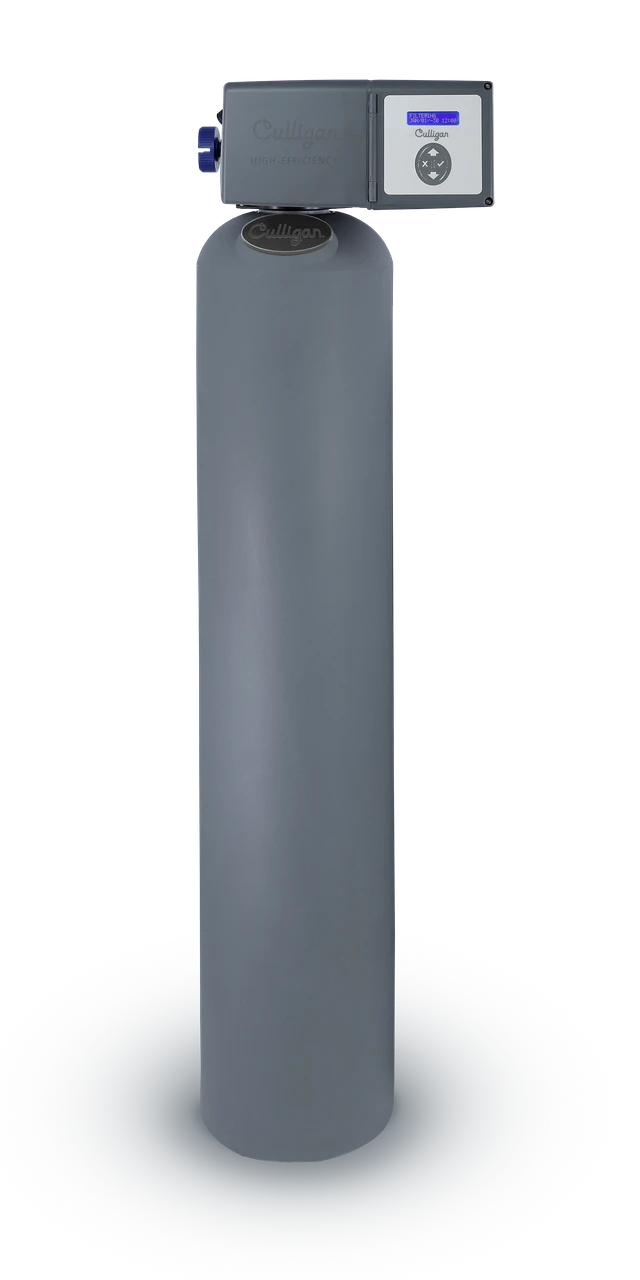
- Whole-home filters for taste and odor concerns
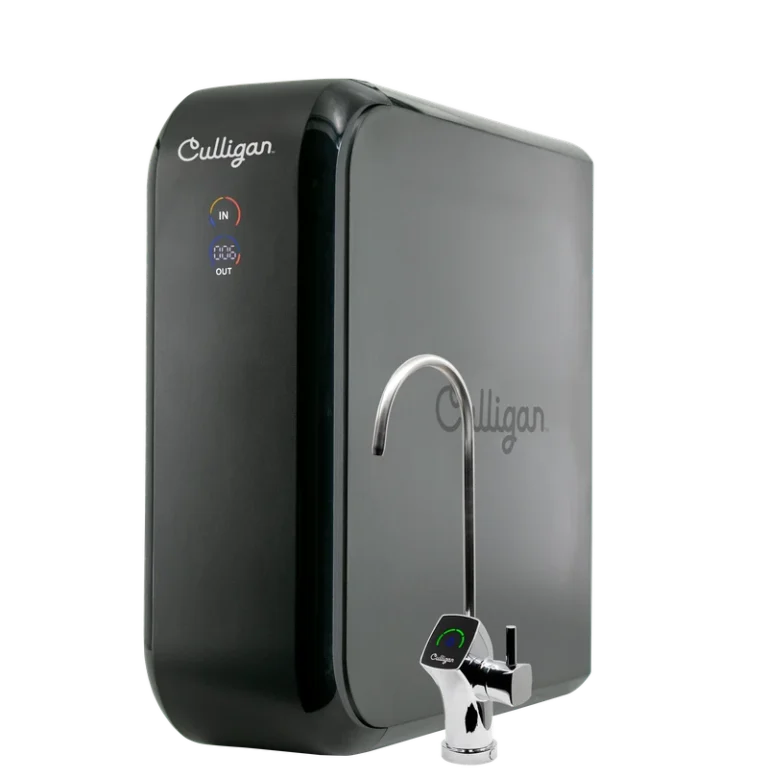
- Reverse osmosis systems for drinking water quality
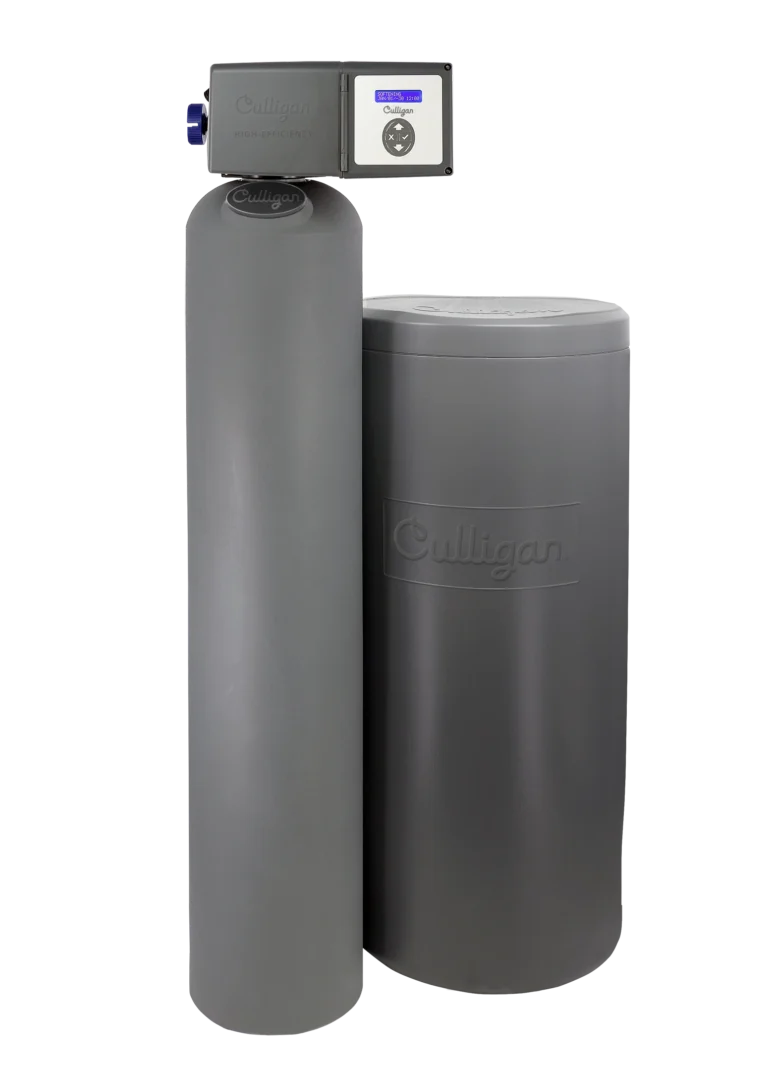
- Water softeners for common hard water concerns
- Specialty filtration for trace contaminants and added peace of mind
A free in-home water test is the best first step.
Where can I get a local water quality report?
You can access the latest water quality information here.
The Proof
Why Do Bridgeport, Texas
Homeowners LOVE Us?
The installer took the time to answer every question before leaving. It’s rare to find service like that these days and we really appreciated the attention to detail.

I can’t point to just one thing that’s improved because it’s really everything. It’s one of those upgrades you appreciate every single day.
We used to notice little issues all the time. After working with Culligan, those problems are gone. Everything has been working exactly as promised and it’s one of the easiest home improvements we’ve made.